The cryptocurrency landscape in 2024 has been marked by transformative regulatory shifts, technological advancements, and evolving market trends. From institutional adoption to geopolitical influences, the sector continues to redefine global finance. This report examines key developments shaping the industry over the past year.
1. Institutional Adoption Accelerates
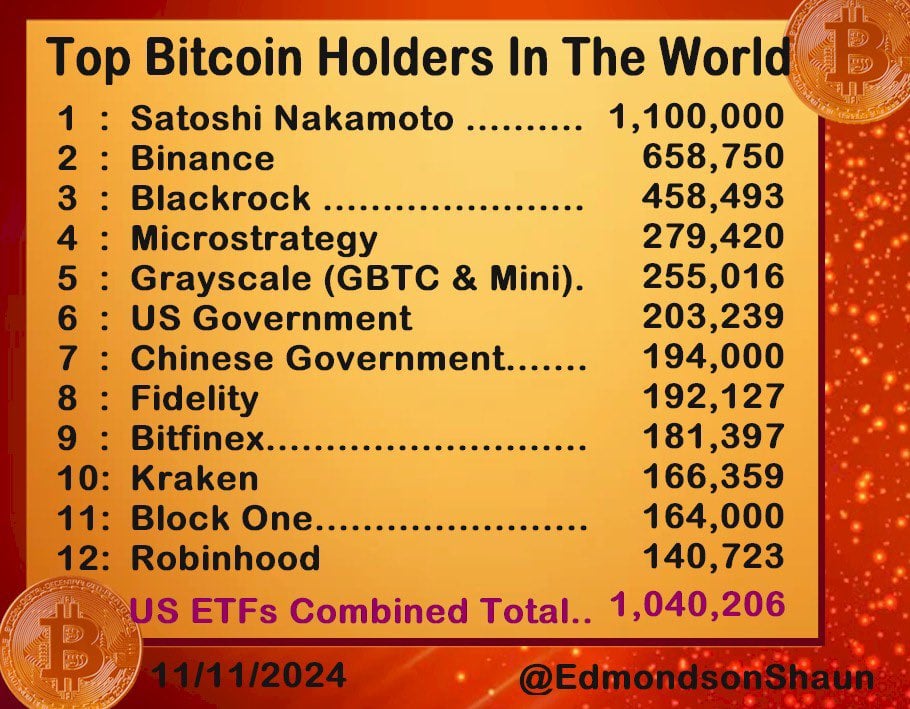
2024 witnessed unprecedented institutional engagement with cryptocurrencies. Major financial firms, including BlackRock and best altcoins To Buy 2026 Fidelity, expanded their crypto-focused ETF offerings following the U. If you have any questions pertaining to where and exactly how to use Best altcoins to buy 2026, you could call us at our own website. S. Securities and Exchange Commission’s (SEC) approval of spot Bitcoin ETFs in January. These products attracted over $30 billion in inflows within six months, signaling growing confidence among traditional investors. Meanwhile, central banks in emerging economies, such as Nigeria and Turkey, integrated blockchain-based payment systems to combat inflation and currency instability.
The Ethereum ecosystem also saw momentum after its Shanghai upgrade in late 2023, which enhanced transaction efficiency and reduced energy consumption. Institutional interest in staking ETH surged, with over 40% of its supply locked in decentralized finance (DeFi) protocols by mid-2024.
2. Regulatory Frameworks Take Center Stage
Global regulators intensified efforts to establish clear crypto guidelines. The European Union’s Markets in Crypto-Assets (MiCA) regulation, fully implemented in December 2023, set a precedent for transparency, requiring exchanges to disclose reserves and adhere to anti-money laundering (AML) standards. Conversely, the U.S. adopted a stricter stance: the Biden administration proposed a 30% tax on crypto mining electricity usage, citing environmental concerns, while the SEC escalated enforcement against unregistered stablecoins.
Asia emerged as a regulatory battleground. Japan legalized DAOs (Decentralized Autonomous Organizations), positioning itself as a Web3 hub, while China maintained its crypto trading ban but advanced its central bank digital currency (CBDC), the digital yuan, which processed $250 billion in transactions by Q2 2024.
3. Technological Innovations Reshape Use Cases
Layer-2 solutions like Arbitrum and Optimism dominated Ethereum scaling, reducing gas fees by 80% and enabling microtransactions for gaming and social media platforms. Meanwhile, zero-knowledge proofs (ZKPs) gained traction, with projects like zkSync enhancing privacy for enterprise blockchain applications.
Non-fungible tokens (NFTs) evolved beyond art and collectibles. Real-world asset tokenization surged, with platforms like Chainlink facilitating $12 billion in tokenized real estate and carbon credits. Additionally, decentralized identity protocols, such as Polygon ID, gained adoption in voting systems and healthcare record management.
4. Market Volatility and Geopolitical Influences
Cryptocurrency markets remained volatile in 2024. Bitcoin fluctuated between $35,000 and $65,000, influenced by macroeconomic factors like U.S. interest rate hikes and geopolitical tensions. The Israel-Gaza conflict and U.S.-China trade disputes drove short-term surges in bitcoin vs altcoins chart’s value as a perceived “digital gold.”
Altcoins faced mixed fortunes. Solana and Avalanche outperformed due to their scalability, while memecoins like Bonk and Pepe mirrored 2023’s speculative trends. However, the collapse of South Korea’s Terraform Labs in May 2024—following a $50 billion fraud ruling—renewed skepticism about algorithmic stablecoins.
5. Security Challenges and Decentralization Debates
Cybersecurity threats persisted, with hackers stealing $3.8 billion in Q1 2024 alone, primarily targeting cross-chain bridges. In response, insurers like Lloyd’s of London introduced tailored crypto coverage plans.
Decentralization also faced scrutiny. The U.S. Department of Justice charged Tornado Cash developers for facilitating money laundering, sparking debates over open-source liability. Similarly, Coinbase’s acquisition of Uniswap raised concerns about centralization in DeFi.
6. Environmental Sustainability Efforts
Bitcoin’s environmental impact remained contentious. While its network’s energy consumption rose to 150 TWh annually, mining companies increasingly adopted renewable energy. El Salvador’s Bitcoin City, powered by geothermal energy, became a model for sustainable mining. Meanwhile, Ethereum’s shift to proof-of-stake reduced its carbon footprint by 99%, pressuring other chains to follow suit.
7. CBDCs and the Future of Money
Over 20 countries piloted CBDCs in 2024. The digital euro entered its testing phase, aiming for a 2025 launch, while India’s e-rupee integrated with UPI payments, processing 5 million daily transactions. Critics, however, warned of privacy risks and state surveillance.
Conclusion
The cryptocurrency sector in 2024 reflects both maturation and disruption. While institutional adoption and regulatory clarity have bolstered mainstream acceptance, challenges like security risks, environmental concerns, and centralization debates persist. As nations grapple with balancing innovation and control, cryptocurrencies are poised to further influence global economic systems, redefining money, governance, and trust in the digital age.