All posts by olivaotk570442

The Complete Guide to Suit Accessories: What Real Men Are Wearing (and Why Braces Matter)

Walk into any well-dressed man’s wardrobe and you’ll find more than just suits and ties. The real story is in the details — the small, considered suit accessories that separate someone who simply wore a suit from someone who dressed intentionally. Among those details, few generate more confusion or carry more quiet impact than suspenders and braces. Are they different? Are they the same thing? And how do real men actually use them to elevate their formal wear? Let’s break it all down through real-world examples and practical insight.

Suspenders vs Braces: Clearing Up the Confusion

Here’s the question that comes up constantly in menswear circles: are suspenders and braces the same? The short answer is yes — and no.

The suspenders and braces difference is largely a matter of geography and tradition. In the United States, the garment that holds your trousers up is called suspenders. In the United Kingdom and much of Europe, the same garment is called braces. Same function, different name. It’s one of those transatlantic clothing vocabulary quirks, much like “pants” meaning trousers in America but underwear in Britain.

That said, within the world of formal menswear, some stylists draw a subtle distinction. “Braces” often refers specifically to the more formal, button-attached variety — wide, Y-shaped or X-shaped straps secured with leather tabs that attach to buttons sewn inside the waistband. “Suspenders,” on the other hand, is sometimes used more loosely to include casual clip-on versions. For a deep dive into that specific hardware question, this guide on suspenders vs braces clips vs buttons breaks it down with genuine detail. But for everyday conversation, treating braces vs suspenders as interchangeable is perfectly reasonable and widely accepted.

A Real-World Example: The Wedding Party That Got It Right

Consider a real scenario that menswear stylists encounter regularly. A groom plans a semi-formal wedding in a countryside venue. The aesthetic is classic but not stiff — think linen suits, dress shirts without ties, and a relaxed elegance that still reads as intentional. He wants to avoid belts because they interrupt the clean line of the trouser front in photographs.

His solution? Men’s braces in a tan leather and navy elastic combination. Coordinated across the wedding party, the look was cohesive without being overdone. The groom’s stylist noted that choosing the right formal wear accessories made the difference between looking dressed and looking polished. The braces weren’t just functional — they were architectural, giving each jacket a reason to hang open naturally and reveal the trouser line underneath.

This is the practical case for braces in formal settings. They hold trousers at the correct height without bunching the waistband the way a belt occasionally can. For tailored suits especially, that matters enormously.

How to Wear Suspenders Without Looking Like a Costume

One of the most common fears men have when considering men’s suspenders is looking theatrical rather than stylish. It’s a legitimate concern. Worn without thought, suspenders can read as costume rather than clothing. Worn with intention, they’re among the most elegant men’s fashion accessories available.

The key rules are straightforward. First, never wear suspenders with a belt. This is a double-function error that signals a lack of understanding about what each accessory does. Suspenders hold your trousers up. So does a belt. Wearing both is redundant and visually cluttered. Second, the trousers should have a higher rise when worn with braces. Low-rise trousers and suspenders don’t work together proportionally. Third, the colour and material of the suspenders should connect to at least one other element in the outfit — the tie, the pocket square, the shoes, or even the shirt.

Consider the example of a financial analyst who rebuilt his professional wardrobe after a promotion. He shifted from off-the-rack suits with belts to tailored trousers with button-in braces. The change was subtle enough that colleagues couldn’t immediately name what was different, but noticeable enough that the overall impression shifted from ordinary to considered. That’s the quiet power of well-chosen suit accessories.

Choosing the Best Suspenders for Men Based on Occasion

The best suspenders for men aren’t a single product — they’re a category with meaningful variation. Understanding which type fits which occasion is the practical knowledge that separates informed dressing from guesswork.

For black tie and formal events, wide silk or woven braces in black or white are the appropriate choice. They should always be button-attached, never clip-on. Clip-ons have their place in casual or novelty contexts, but formal dressing demands the cleaner, more intentional attachment. For business professional environments, a medium-width woven brace in navy, burgundy, or grey works consistently well across a range of suit colours. For smart casual or business casual settings, leather-trimmed elastic braces in earth tones offer texture and personality without overwhelming a more relaxed look.

Suspenders for suits specifically benefit from being matched to the suit’s lining rather than the exterior fabric. This creates a cohesive inner logic to the outfit that a tailor or fellow well-dressed person will notice, even if most people won’t consciously register why the look feels so deliberate.

There’s also the practical consideration of X-back versus Y-back styles. Y-back braces are generally considered more formal and sit more cleanly against the back. X-back styles distribute weight slightly differently and are often preferred for everyday wear or by men who find the Y-back sits awkwardly on their particular frame. Neither is universally superior — fit and comfort on the individual body matter most.

Why Suit Accessories Deserve More Attention

The broader point that real-world styling examples keep reinforcing is this: suit accessories are not finishing touches. They’re structural decisions. The groom who chose braces over belts wasn’t decorating — he was solving a visual problem and creating a coherent aesthetic at the same time. The analyst who switched to button-in braces wasn’t following a trend — he was building a wardrobe that worked harder for him.

Men’s fashion accessories, at their best, carry meaning and intention. They tell a story about how seriously someone takes the act of dressing. Braces and suspenders, whether you use the British term or the American one, have earned their place in that conversation across more than a century of menswear history.

The next time you’re assembling a formal look, don’t treat the suit itself as the only decision that matters. Consider what holds those trousers precisely where they should sit. Consider what the inside of that waistband communicates when the jacket swings open. The details are where dressing actually happens — and suspenders for suits remain one of the most rewarding details a man can invest in.

Men’s Suspenders: The Science and Style Behind This Classic Suit Accessory

There is something quietly authoritative about a man wearing suspenders. No fumbling with a belt. No fabric bunching at the waist. Just clean, confident lines from shoulder to trouser hem. But beyond aesthetics, there is actual biomechanical logic behind why men’s suspenders outperform belts in formal settings — and why tailors, stylists, and even posture researchers have long championed them as a superior trouser-support solution.

If you have ever wondered about the suspenders and braces difference, or questioned whether the terminology even matters when shopping for formal wear accessories, you are in the right place. This guide breaks down the science, the style, and the practical wisdom that makes suspenders one of the most underrated men’s fashion accessories today.

Are Suspenders and Braces the Same Thing?

This is one of the most common questions in menswear, and the answer is both simple and nuanced. When people ask are suspenders and braces the same, the short answer is yes — functionally, they serve an identical purpose. Both are garment-support accessories that run over the shoulders and attach to the waistband of trousers to hold them in place. The difference is almost entirely linguistic and geographical.

In the United Kingdom and much of the Commonwealth, the term “braces” is standard. In the United States and Canada, “suspenders” is the dominant word. There is a detailed look at the transatlantic history behind this vocabulary split here: suspenders or braces terminology — covering how the two terms diverged over centuries of fashion evolution. Understanding this distinction matters if you are shopping internationally or reading style guides from different regions, since braces vs suspenders is really a matter of dialect rather than design.

The Biomechanics of Wearing Suspenders Properly

Here is where science enters the conversation. Belts compress the waistband against the hip bones and can restrict abdominal movement, which has implications for digestion, posture, and even breathing during long events like formal dinners or full workdays. Men’s braces, by contrast, distribute trouser weight across the shoulder girdle — a much larger and structurally stronger muscle group.

Orthopedic researchers and ergonomists have noted that waistband compression from tight belts can contribute to lower back discomfort, particularly during extended sitting. Suspenders eliminate this compression entirely. The weight transfer moves upward, engaging the trapezius UK and US fashion language deltoid regions in a passive, comfortable way that does not fatigue the body. For men who spend hours seated — in boardrooms, at formal events, or during long-haul travel — this difference is genuinely felt by end of day.

How to wear suspenders correctly reinforces this benefit. The straps should sit flat against the torso without twisting, and the adjustment should keep trousers at the natural waist rather than the hips. Trousers worn at the natural waist — where they were designed to be worn — create a longer visual leg line and a cleaner silhouette. This is why tailors consistently recommend suspenders for suits over belts when a sharp, formal appearance is the goal.

Choosing the Best Suspenders for Men: Attachment Matters

Not all suspenders are created equal, and the attachment mechanism is where most of the meaningful differences exist. There are two primary systems: button attachments and clip-on attachments. Understanding which suits your wardrobe and lifestyle is essential before purchasing.

Button suspenders attach to small leather tabs that loop through interior buttons sewn into the trouser waistband. This is the traditional, tailored method. It distributes tension more evenly, lies flatter, and eliminates any risk of the attachment slipping during movement. High-quality suit trousers will often come with these buttons already installed or can be modified by a tailor inexpensively. For formal occasions, button attachments are universally regarded as the superior choice.

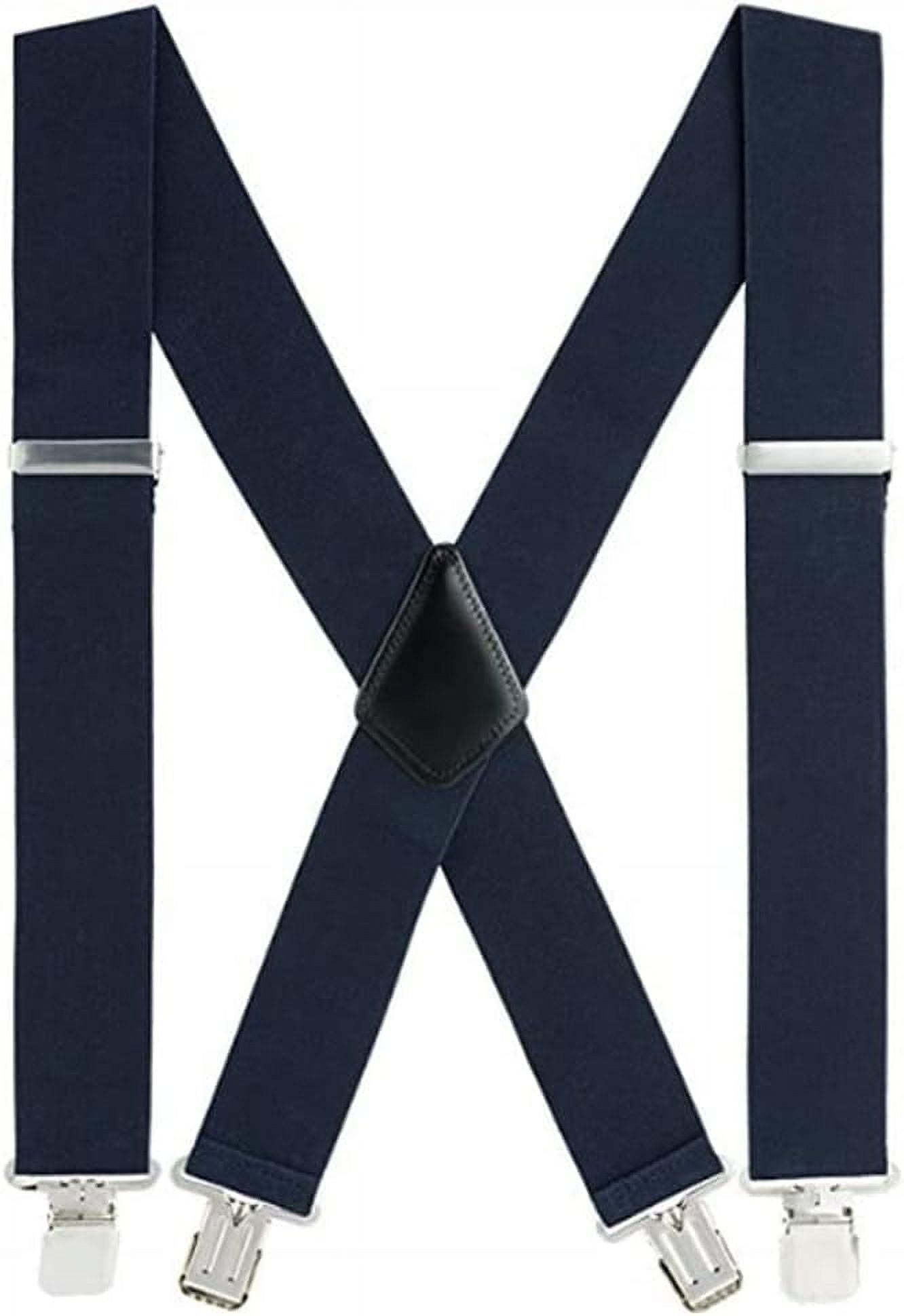
Clip suspenders, on the other hand, grip the outside of the waistband with a metal clamp. They are more versatile and can be attached to virtually any pair of trousers. The trade-off is a slightly bulkier profile and the occasional risk of leaving marks on delicate fabrics. For casual or semi-formal settings, clips work beautifully and offer far greater convenience. If you are debating between the two systems, a practical guide covering suspenders with clips versus suspenders with buttons breaks down exactly when each attachment type makes more sense for different wardrobe situations.

Suspenders for Suits: The Style Logic

From a pure style perspective, wearing suspenders for suits makes strong visual sense. A belt creates a horizontal break across the body — a line that can visually shorten the torso and draw attention to the midsection. Suspenders, worn under the jacket, create vertical lines that elongate the silhouette without any horizontal interruption. When the jacket is buttoned, the suspenders are invisible entirely, keeping the exterior look completely clean.

For men who favor three-piece suits, wearing a waistcoat also obscures the suspenders completely, making the entire ensemble appear seamlessly constructed. Even with a two-button jacket left open at the front, tastefully chosen men’s suspenders in leather-ended, solid-colored designs add a deliberate, considered quality to the overall look that a belt simply cannot replicate.

Width is another factor worth considering scientifically. Wider suspenders — typically 1.25 to 1.5 inches — distribute shoulder pressure more evenly and provide better trouser support for heavier fabric suits. Narrower suspenders, around 0.75 to 1 inch, work well with lightweight summer suits or casual trousers. Matching the width to the weight of the garment is a small detail that makes a large difference in how the accessories perform over time.

Conclusion: Why Men’s Suspenders Deserve a Permanent Place in Your Wardrobe

The case for men’s suspenders is not purely sentimental. It is ergonomic, structural, and aesthetic all at once. They eliminate waistband compression, support better posture during long events, create cleaner trouser lines, and elevate the formality of any suit without requiring a single additional accessory. The suspenders vs braces debate is ultimately one of language, not function — both terms describe an accessory with centuries of tailoring wisdom behind it.

Whether you are building a formal wardrobe from scratch or simply looking to upgrade how your existing suits fit and look, adding a quality pair of men’s suspenders is one of the highest-return investments you can make. Start with a classic button attachment in solid navy, charcoal, or burgundy — and notice how differently your trousers hang, your posture sits, and your overall confidence feels. The science is clear. The style logic is sound. The only question left is why you waited this long.

How to Wear Suspenders: The Modern Man’s Guide to Braces and Beyond

Few accessories have made such a confident comeback in men’s outfit accessories fashion as suspenders. Once considered a relic of your grandfather’s wardrobe, these functional yet stylish garments are showing up on runways, in boardrooms, and at weddings with increasing frequency. If you’ve been curious about how to wear suspenders correctly — and whether they’re even the same thing as braces — you’re in the right place. This guide covers everything from terminology to styling, including the latest trends reshaping how men approach this classic accessory.

Suspenders and Braces: Are They Actually the Same Thing?

This question comes up constantly, and it’s worth settling once and for all. The suspenders and braces difference is largely a matter of geography rather than function. In the United States, the straps worn over the shoulders to hold up trousers are called suspenders. In the United Kingdom and much of the Commonwealth, the exact same garment is called braces. So when people debate suspenders vs braces, they’re usually talking about the same essential item — just using different vocabulary shaped by which side of the Atlantic they grew up on.

That said, there is one technical distinction worth knowing. In British English, the word “suspenders” traditionally refers to garter straps used to hold up stockings, not trouser straps at all. So if you’re shopping in London, asking for suspenders might get you something entirely unexpected. For a deeper look at this transatlantic word split and its fascinating history, https://medium.com/@holdupsuspenders11/suspenders-or-braces-the-transatlantic-word-split-c5a07499a49a #history of suspenders explains the origins and evolution of both terms in excellent detail.

For the purpose of this article, we’ll use “suspenders” and “braces” interchangeably, as most modern men’s fashion writing does.

How to Wear Suspenders the Right Way

Learning how to wear suspenders properly starts with choosing the right attachment style. There are two main options: clip-on and button-on. Button suspenders attach to small buttons sewn inside the waistband of your trousers and are widely considered the more formal and polished option. Clip-on suspenders, while more convenient, can sometimes look less refined depending on the situation. For suit accessories and formal wear accessories, button-on is almost always the better choice.

The fit matters enormously. Suspenders should sit comfortably over your shoulders without pulling your trousers too high or creating tension across the back. When adjusted correctly, your trousers should hang naturally at the waist, not be hiked up uncomfortably. Many men make the mistake of wearing them too tight, which creates an unflattering bunching effect at the shoulders.

Wearing a belt with suspenders is a hard fashion no. Choose one or the other — never both. Suspenders are doing the job of holding up your trousers, so a belt becomes redundant and visually cluttered. This is one of those rules that even experienced dressers occasionally forget.

Color and pattern coordination is where you can really have fun. The best suspenders for men complement the rest of the outfit without overpowering it. A navy or charcoal suit pairs beautifully with solid black, navy, or subtle striped braces. If your suit is more muted or neutral, you have more room to experiment with a patterned or bolder colored set of suspenders. Silk or high-quality woven fabric tends to look most refined for formal settings, while leather-accented ends add a touch of modern edge.

Current Trends in Men’s Suspenders and Suit Accessories

Men’s fashion accessories have shifted significantly in the past few years, and suspenders for suits are very much part of that conversation. The pandemic-era reset of workplace fashion has led many men to rediscover the pleasure of dressing intentionally. Suspenders fit perfectly into this mood — they signal effort, personality, and a certain confidence in one’s personal style.

One of the biggest trends right now is visible suspenders as a deliberate style statement rather than something hidden under a jacket. Wearing a waistcoat or vest over suspenders gives a layered, textured look that feels contemporary while nodding to classic tailoring. On warmer days or in business-casual settings, removing the jacket to reveal your men’s braces underneath has become an accepted and even stylish move.

Wide-width braces — typically around 1.5 inches — remain the go-to for formal occasions, while narrower styles are trending in casual and creative workplaces. Elastic suspenders with leather hardware have seen a surge in popularity, blending old-school craftsmanship with modern wearability. Meanwhile, patterned designs featuring subtle geometric prints or muted plaids are attracting a younger demographic of men who want to add personality to their suits without going overboard.

Sustainability is also influencing purchasing decisions. Many men are now looking for well-made men’s suspenders built to last, rather than fast-fashion alternatives that lose their elasticity quickly. Heritage brands and small artisan makers have responded with high-quality options that justify the investment.

Choosing Suspenders for Different Occasions

Understanding when and how to wear suspenders for different settings will help you make confident choices. For black-tie events, opt for formal braces in silk or a finely woven fabric that matches the refined nature of the occasion. Classic black or white braces are appropriate here, keeping the overall look clean and elegant.

For business formal settings, men’s fashion accessories like suspenders should enhance rather than distract. Stick to classic colors and clean lines. A well-fitted suit with button-on braces in a complementary tone projects authority and attention to detail that belts simply cannot match.

Casual and smart-casual occasions give you the most creative freedom. Here, bolder patterns, contrasting colors, and even novelty designs can work well. Pair suspenders with trousers and a casual Oxford shirt for a dressed-up look that still feels approachable and relaxed.

The Bottom Line on How to Wear Suspenders

The resurgence of suspenders in men’s fashion isn’t a fleeting trend — it reflects a broader shift toward considered, intentional dressing. Whether you call them braces or suspenders, these suit accessories offer a compelling combination of functionality and style that belts simply can’t replicate. Understanding the braces vs suspenders distinction frees you from confusion and lets you focus on what actually matters: finding the right pair, wearing them correctly, and making them your own. Start with quality materials, match them thoughtfully to your outfit, and let this underrated accessory do what it does best — elevate the entire look.